Dual communication in ultrasonic water meters supports the digitalisation of water supply networks in Norway
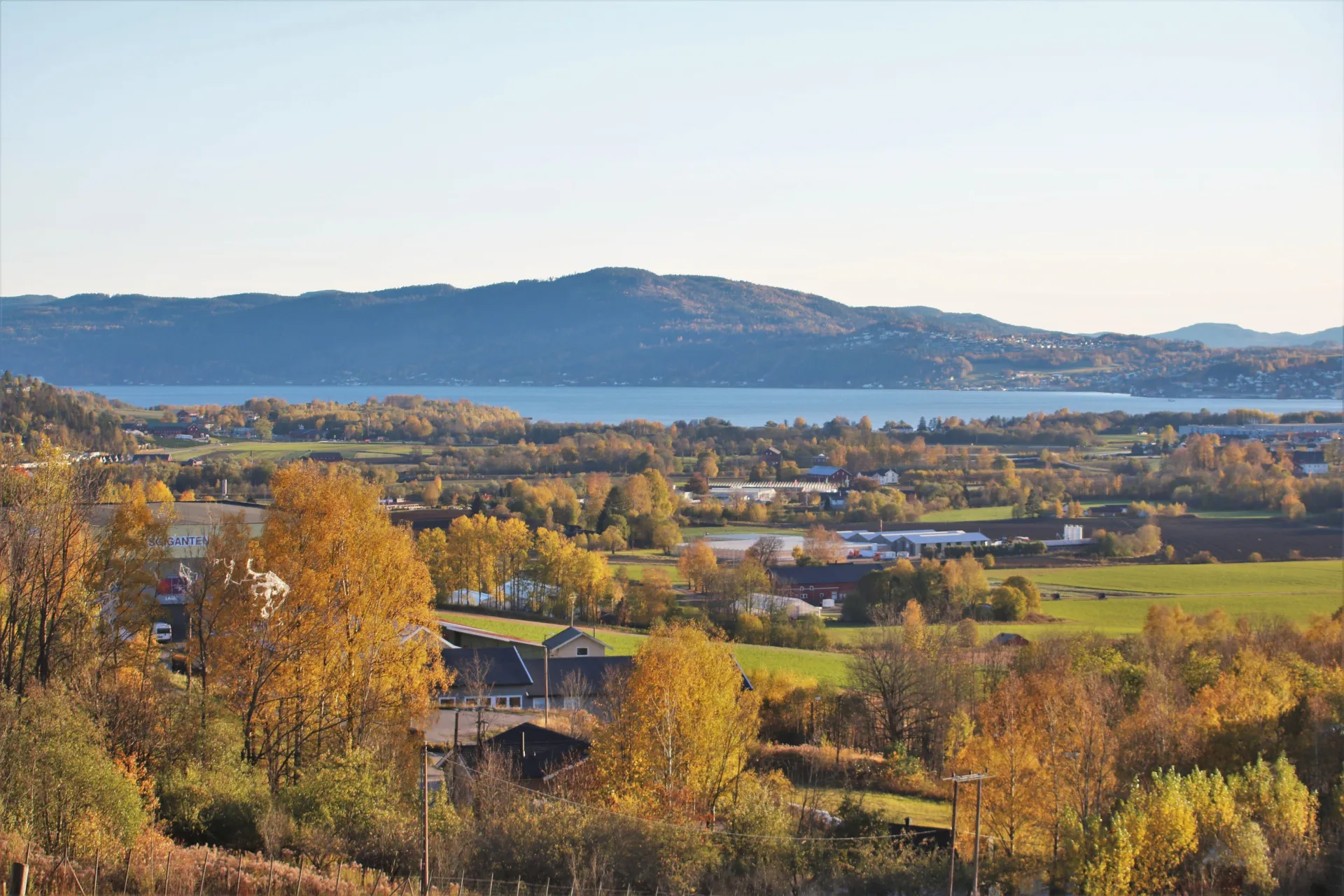
The Norwegian municipality of Asker faced the challenge of improving the efficiency of IoT data management as part of one of Europe’s largest water metering projects. Difficult conditions – underground installations, metal enclosures and mountainous terrain – meant that standard communication methods were not sufficient.
Solution: dual communication technology
Ultrimis NEO ultrasonic water meters from Apator Powogaz are equipped with a dual communication system (LoRaWAN + Wireless M-Bus).
- By default, they transmit data via LoRaWAN – ideal for AMI systems, thanks to its long range and low power consumption.
- In the event of connectivity interruptions (e.g. lack of coverage, maintenance work, network overload), the device automatically switches to Wireless M-Bus, ensuring local reading and continuous reporting.
This solution is particularly suitable for:
- mountainous or rural areas with unstable signal coverage,
- underground installations and metal enclosures,
- dense urban networks, during maintenance and network overloads,
- large-scale deployment projects where modernisation is carried out in stages.
Implementation at Asker
The project implemented a comprehensive suite of tools for network planning and analyses, data reporting, integration with external systems, and API management. The platform enables the reading and decoding of data from all the most popular water meters on the Norwegian market, including Apator Powogaz, along with hourly readings and alarms.
The result? The data has been standardised and prepared for export to other applications, and the municipality has gained a scalable and flexible system, ready for future digitalisation needs.
Results
Thanks to the combination of LoRaWAN and wM-Bus technologies, the use of concentrators, battery-powered and solar-powered gateways, and over 20,000 water meters, the project in Asker has become one of the most advanced solutions in the Nordic countries.
- Continuity of readings: no interruptions or gaps in the data.
- Lower modernisation costs: step-by-step implementation, without replacing the entire infrastructure.
- Security and scalability: a system prepared for the future challenges of digital transformation.