Industrial energy storage facilities – a key element of the energy transition
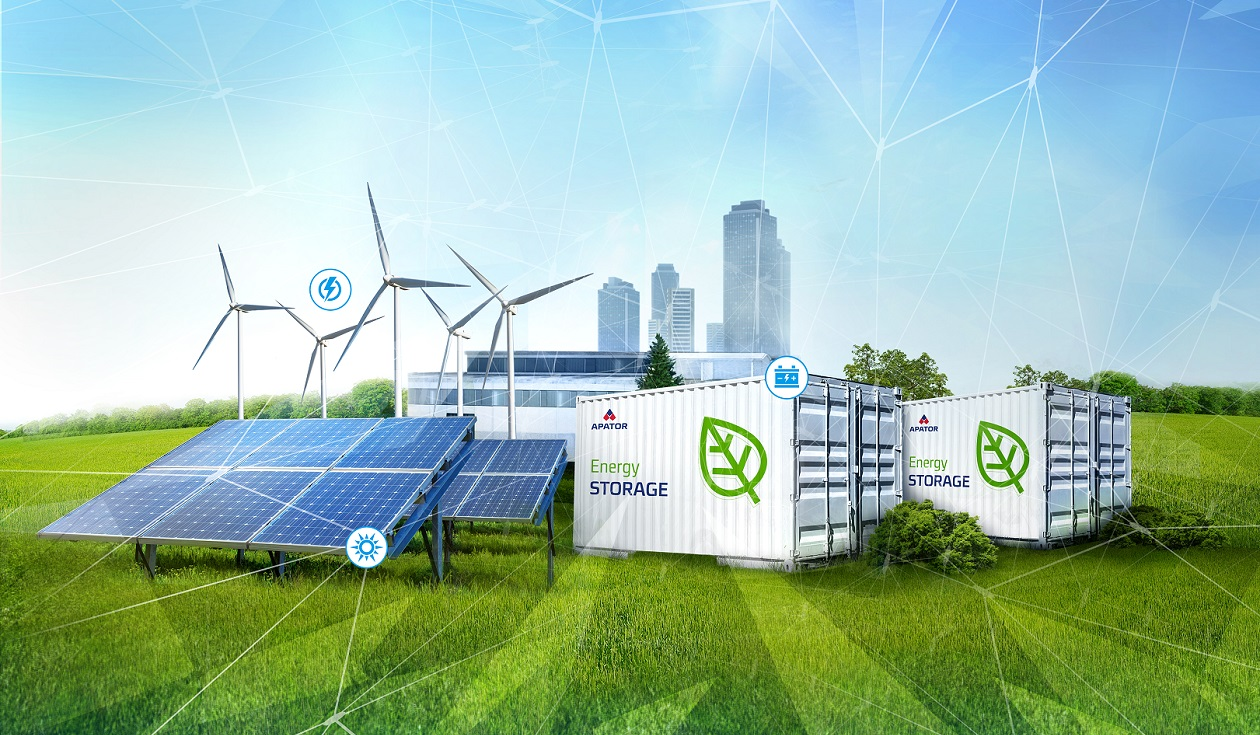
Industrial energy storage systems are devices that enable the safe accumulation and storage of electrical energy in electrochemical batteries. They allow energy generated by RES to be used for own consumption during peak demand periods or fed back into the grid when it is most advantageous to do so. Industrial energy storage systems can also play an important role in stabilising the parameters of the electricity grid, for which distributed energy sources pose a major challenge.
The energy system transformation
We are witnessing the transformation of the energy system and the associated rapid development of Renewable Energy Sources. Although the most beneficial solution is to use energy from RES on an ongoing basis, this is not always possible. Renewable energy is highly variable, depending on the time of day and weather conditions. A stable and effective transition to a model of electricity generation and distribution based on Renewable Energy Sources requires its safe collection and storage. Therefore, the role of energy storage in the changing energy system is very significant.
Reasons for the development of energy storage:
- Increasing the efficiency of RES installations
- The need to stabilise power grid parameters, for which the growing share of unstable renewable sources poses an increasing challenge
- Elimination of power losses associated with long-distance energy transmission
- Reducing the need for investment in distributed power grid infrastructure
- The development of electromobility and the need to provide the appropriate power required for charging electric vehicles. The lack of adequate charging infrastructure is a major problem that may affect economic development
Areas of application for energy storage:
RES installations
The most natural area of application for energy storage is Renewable Energy Sources. Renewable energy is characterised by high variability, depending on the time of day and weather conditions. The application of energy storage allows for the stabilisation of momentary fluctuations in energy generation, which in turn contributes to the development of a stable and efficient model of electricity generation and distribution based on Renewable Energy Sources.
The application of energy storage systems occurs particularly when electricity generation from RES installations exceeds consumption within the energy system, or when feeding the generated energy into the grid is not economically viable or does not ensure the stability of the energy system.
Distribution networks
The energy storage system is designed for installation in low-voltage distribution networks, particularly in networks with a high proportion of Renewable Energy Sources.
The purpose of the storage system is to improve voltage quality and stabilise the grid, thereby reducing outages of prosumer installations and enabling more efficient use of renewable sources.
Installing the energy storage system allows for the postponement of investments related to the expansion of the distribution infrastructure, the streamlining of energy transmission control processes, and the development of local balancing models (local energy communities).
Vehicle charging stations
The energy storage system is designed for cooperation with fast and ultra-fast electric vehicle charging stations.
The purpose of the energy storage facility is to increase the throughput of electric vehicle charging stations, particularly under conditions of limited connection capacity, and to utilise green energy for EV charging.
The energy storage facility acts as an energy buffer, enabling the fast charging of EVs when connection capacity is insufficient and allowing energy from RES to be used for this purpose.
Industrial facilities and businesses
The application of an energy storage system as an energy buffer in an industrial installation enables the efficient use of energy produced by Renewable Energy Sources for the facility’s or company’s own needs during peak demand hours.
This enables more efficient use of energy available from Renewable Energy Sources and a faster return on investment in RES. The use of RES in the production process is important not only because of the reduction in energy costs, but also because of the use of green energy in the production process and the reduction in the carbon footprint of products.