Smart metering – an opportunity and a challenge for the electricity market
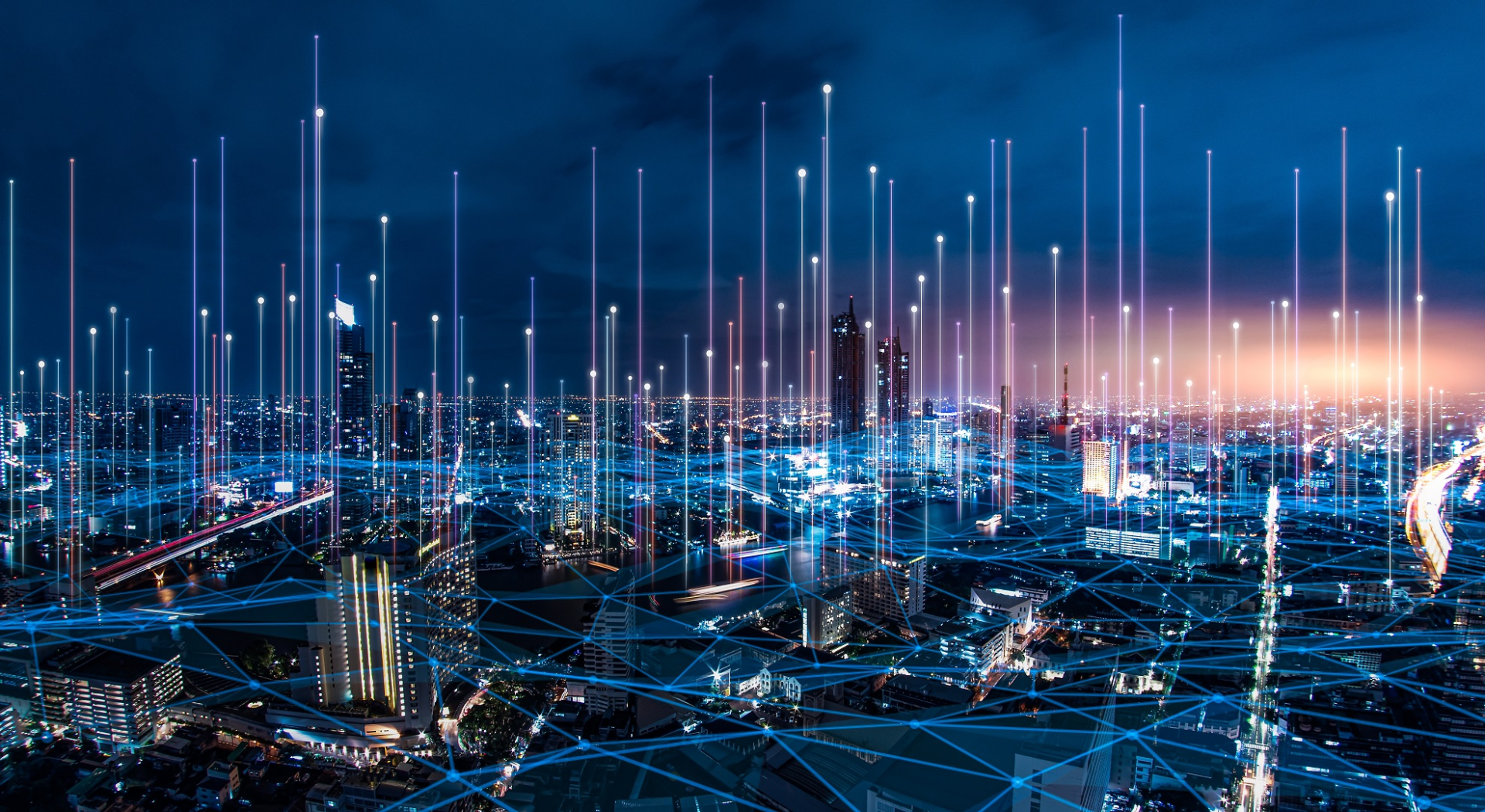
Smart metering is a technology that enables remote, automatic and accurate measurement of utility consumption, including electricity. Unlike traditional solutions, smart electricity meters (AMI – Advanced Metering Infrastructure) allow for bidirectional communication between the device and the network operator. This enables not only real-time monitoring of consumption, but also dynamic demand management, integration with Renewable Energy Sources (RES) and an immediate response to adverse situations, including faults.
Over 195 million smart meters in Europe
According to European Commission data, by the end of 2024, over 195 million smart meters had been installed across 30 European countries (EU27+3), representing 63 per cent of all Electricity consumers. This represents a significant increase compared to the previous decade, when the adoption rate hovered around 30–40 per cent. The leaders in smart metering implementation are Italy, Sweden, Spain and Finland, where the share exceeds 80 per cent and, in some cases, is approaching full coverage. In these countries, a second wave of roll-outs has already begun, involving the replacement of smart devices with next-generation meters. These solutions, such as Italy’s Open Meter, offer more frequent readings, better interoperability and the ability to integrate with innovative energy management systems. This shows that smart metering is becoming not only a measurement tool in the EU, but above all a key element of the energy sector’s digital transformation.
In the United States, meanwhile, according to 2024 data from the Department of Energy, over 95 million smart meters have already been installed. Their implementation has significantly improved the stability of the power supply – including through faster detection of faults, better management of grid loads and a reduction in the number of power cuts. Thanks to the ability to read and perform analyses of data remotely in real time, operators can respond more quickly to disruptions and optimise system performance. Smart meters in the US also play a key role in the development of distributed power generation and the integration of Renewable Energy Sources. They enable dynamic balancing of supply and demand, which is essential in a system based on variable sources such as solar or wind power. They also support the development of Demand Side Response programmes, in which consumers can adjust their energy consumption to market conditions or signals from the grid, which translates into greater flexibility and resilience of the entire electricity system.
Apator is the leader of the Polish market
In Poland, according to data published in May 2025 by the Energy Regulatory Office (URE), by the end of 2024 over 7.3 million energy consumption points were equipped with remote-reading meters, accounting for 38.26 per cent of all end users. In the household sector, this figure stood at 6.11 million, representing a coverage rate of 36.43 per cent. The leader in this field is Energa-Operator, which has already fitted over 85 per cent of its customers with smart meters and plans to reach 100 per cent by the end of 2026.
In terms of the production of modern solutions, systems and devices, Apator remains the undisputed leader of the Polish market. Thanks to its innovation and many years of experience, Apator plays a key role in the energy transition and the development of smart grids in Poland. Between 2020 and 2025 alone, Apator supplied 3.3 million smart meters to the Polish market, consolidating its position as a key supplier of smart metering technology. Such a large scale of deployment demonstrates the growing demand for modern metering solutions that support the digitalisation of energy infrastructure.
The foundation of the energy transition
The European Commission emphasises that smart metering is one of the key elements of the energy transition due to its potential for better demand management, integration of Renewable Energy Sources, dynamic pricing and increased energy efficiency. According to the EC, the full roll-out of smart metering across the EU could yield savings of up to €9 billion a year through reduced network losses, improved operational efficiency and better management of energy consumption by end users.
Smart metering is a solution that brings a range of benefits. It offers not only convenience and savings for users, but also an opportunity to improve the energy efficiency of the entire system. At the same time, this technology presents challenges – from implementation costs and data security issues to the risk of exacerbating social inequalities. Firstly, it is worth looking at the benefits offered by smart metering technology. These include:
1. Optimisation of energy consumption
Thanks to access to real-time data, users can manage their energy consumption consciously – for example, by shifting the use of energy-intensive appliances to off-peak hours. This not only reduces bills but also relieves pressure on the grid at critical times. Additionally, smart systems can automatically suggest optimal operating times for appliances, further increasing efficiency.
2. Real-time monitoring
Smart metering enables real-time tracking of energy consumption, allowing for the rapid detection of anomalies such as faults, overloads or unauthorised consumption. This enables operators to respond more quickly and minimise losses. Users, in turn, gain greater control over their consumption and can immediately spot unusual patterns. It is also a tool that supports energy security at local and national levels.
3. Improving the quality of energy supply
Smart meters enable better grid balancing, which translates into more stable power supplies and a lower risk of power cuts. These systems also support automatic switching of power sources in the event of a failure. They also enable dynamic voltage and load management, which improves the quality of the energy supplied. As a result, the number of complaints and service calls is reduced.
4. Faster response to faults
Remote access to data allows operators to immediately identify the location and nature of a fault, which reduces response times and the time taken to restore the power supply. In traditional systems, this often required the physical presence of technicians and manual inspection of the installation. Thanks to smart metering, it is also possible to predict potential faults based on analyses of historical data. This significantly increases the network’s resilience to disruptions and reduces downtime.
5. Raising consumer awareness and energy education
Access to detailed energy consumption data increases users’ energy awareness. Consumers begin to recognise which appliances consume the most energy and how their daily habits affect their bills. Operators offer apps and educational tools that help interpret data and make informed decisions. This leads to more responsible energy habits and greater engagement in sustainability initiatives.
6. Supporting RES and grid integration
Smart meters play a key role in integrating Renewable Energy Sources into the grid. They enable dynamic management of energy flow, balancing of production and consumption, and billing of prosumers. Examples include innovative solutions from Apator, designed for cooperation with PV installations, energy storage systems and innovative energy management systems for all utilities and the grid. This enables the development of flexible ecosystems that increase energy independence and resilience to disruptions.
7. Integration with sub-meters
The integration of smart metering systems with sub-meters enables informed energy management. Data from the main energy meter, combined with information from sub-meters installed at generation sources (e.g. PV installations), energy storage facilities and key consumption points, allows for detailed analyses of the energy balance. This enables the user not only to monitor total consumption, but also to identify which infrastructure components generate the highest load, when production surpluses occur, and how to manage storage and consumption effectively.
Global challenges associated with smart metering
The development of smart metering affects many sectors of the economy – from energy and industry to public administration. At the same time, we face challenges – technological, organisational and social. These include, amongst others:
1. Data security
One of the most frequently cited risks is cybersecurity. The 2024 ENISA report highlights the growing risk of cyberattacks on smart meter systems, which could lead to data theft, manipulation of meter readings or disruptions to energy supplies. It is therefore crucial to implement advanced encryption, authorisation and monitoring mechanisms, as well as to eliminate the risk of so-called backdoors – hidden access mechanisms in software or hardware that could be exploited for unauthorised access to the system. In this context, it is important to choose solutions offered by proven and reliable manufacturers who apply a transparent supply chain security policy. Appropriate legal regulations are also essential to support the security of the energy infrastructure.
2. Implementation costs
The full implementation of smart metering poses a huge financial challenge. According to a McKinsey report, these costs could reach billions of dollars on a national scale, covering the purchase of equipment, infrastructure upgrades and IT system integration. However, the potential savings and long-term benefits – including improved grid efficiency and reduced losses – may outweigh the initial outlay.
3. Exacerbating social inequality
Smart metering technology may exacerbate social inequalities. Research by the Brookings Institution from 2024 indicates that poorer households may be more vulnerable to rising energy costs, partly due to a lack of funds to purchase modern devices or adapt their installations. There is a risk that the benefits of the energy sector’s digitalisation will be available mainly to wealthier social groups.
4. Lack of standardisation
A 2024 report by the International Energy Agency (IEA) highlights the lack of uniform technical standards for smart metering, which hinders the interoperability of devices and systems from different manufacturers. Differences in communication protocols, data formats and legal requirements may slow down implementation and increase costs.
Balancing benefits and risks
Smart metering is a technology with enormous potential – both from the perspective of users and the energy system as a whole. It enables savings, improved energy efficiency, the integration of Renewable Energy Sources and increased energy awareness. At the same time, it carries real risks that require appropriate management. The key to success lies in implementing solutions in a well-considered manner – taking into account technical, social and legal aspects. Investment is also needed in cybersecurity, standardisation and support mechanisms for less affluent consumers. Only then will smart metering become a tool for an inclusive and sustainable energy transition.
In the long term, the benefits of smart metering – both economic and environmental – will significantly outweigh the costs and potential risks. Smart metering is not only a tool for accurate energy billing, but above all the foundation of a modern economy based on access to a flexible and secure electricity grid. It is an investment that delivers tangible benefits on both a micro and macro scale.
Choosing proven technology providers
In the era of energy transition and growing climate requirements, smart metering is no longer a choice – it is becoming a necessity. It not only enables precise monitoring of energy consumption, but also supports energy efficiency, the development of RES and informed consumer decisions. However, the key to success lies in the responsible implementation of these solutions, based on cooperation between all market stakeholders – from regulators, through technology suppliers and distribution system operators, to end users.
It is worth remembering that Poland is currently undergoing the largest energy meter replacement programme in its history. By the end of 2028, it is planned to install over 17 million smart meters with remote reading capabilities, covering at least 80 per cent of end users. This is a massive investment, estimated to be worth over PLN 6 billion. The choice of proven, secure and transparent technologies, offered by experienced suppliers, is of key importance here – both for the protection of user data and for the stability of the entire energy system.