Choose products that will help you manage your heating and cooling system effectively
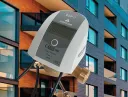
Achieve accurate billing and full control over heat consumption thanks to precise measurements.
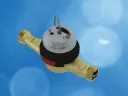
Ensure that your measurement system operates reliably for many years, minimising operating costs and the risk of incorrect readings.
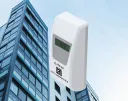
Ensure transparency and streamline the billing process with customers thanks to accurate data readings.
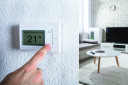
Optimise heating costs throughout the building, ensuring thermal comfort for occupants whilst minimising energy consumption.
Choose solutions for remote data reading and fair billing for customers

Manage heat metering and billing effectively in your system
Choose solutions that will boost your operational efficiency and deliver real savings
New additions to our range
E-ITN 40
A modern radio-transmission heat meter that records actual heat consumption and enables transparent billing between users.

Take advantage of the cutting-edge solutions developed by the industry leader
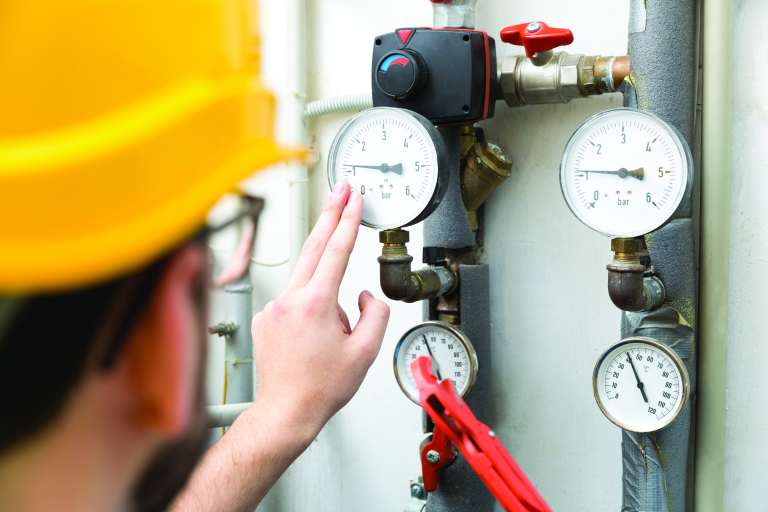
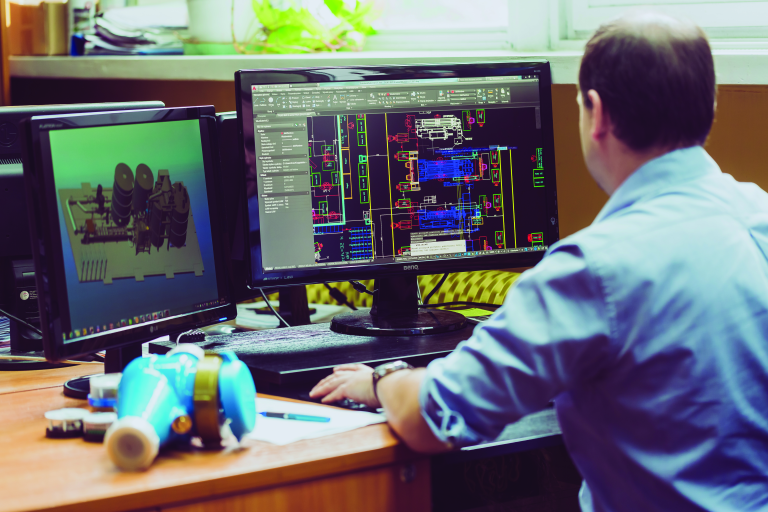
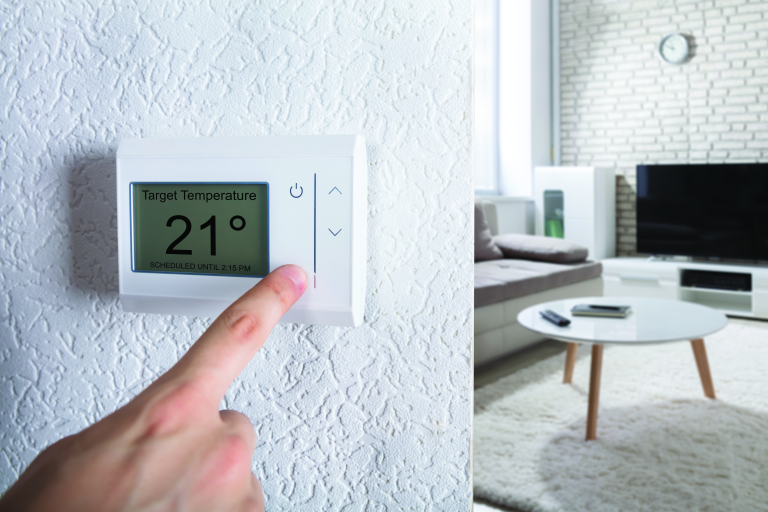
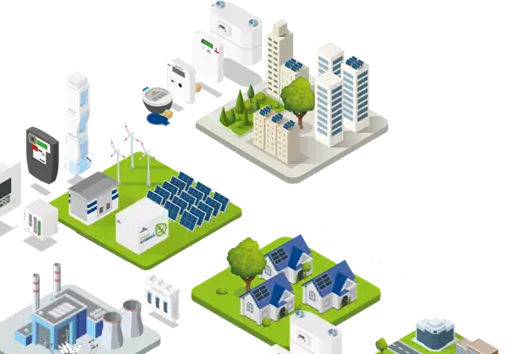
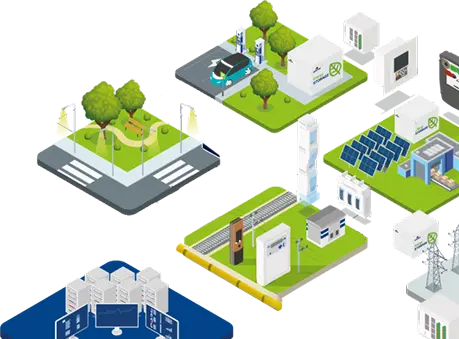
Choose advanced data-reading technologies
Take a look at our ready-made solutions or ask an advisor about customisation options
What should you consider when choosing heat metering equipment?
Selecting the right heat meter is crucial for the efficient management of the system, the accuracy of billing and the maintenance costs of the heating system. Various types of products are available on the market, which can be tailored to the specific characteristics of the building and the type of system. It is worth paying attention to:
- the type of meter – depending on your needs, you can choose a mechanical heat meter (vane, screw or volumetric) or an ultrasonic heat meter, which has no moving parts and ensures greater measurement stability. Ultrasonic heat meters are ideal for modern remote reading systems, guaranteeing a long service life and a high accuracy class in accordance with PN-EN 1434;
- accuracy and measuring range – the higher the metrological class, the more precise the billing. Models offering high measurement accuracy even at low heating medium flow rates are a good solution;
- remote reading capability – modern heat meters and heat cost allocators are equipped with specialised communication modules that enable fast and precise data reading without the need for physical inspection of the devices;
- operating conditions and durability – flow transducers and temperature sensors should be resistant to the variable operating conditions of the system and the high temperatures of the heating medium. Only then can the devices maintain measurement accuracy over many seasons of operation.
Precise heat metering – the key to cost optimisation
Precise metering transforms the way thermal energy is managed – instead of relying on estimates, it allows decisions to be made based on facts. Access to accurate data on medium consumption is the first step towards identifying losses, informed planning and the introduction of fair billing systems that motivate consumers to save energy. The reliability of the metering devices ensures that the system operates stably for many years, thereby minimising maintenance costs.
The next level of optimisation is automation. The application of utility remote reading systems allows for the ongoing collection and analyses of data without involving staff, which further reduces costs and increases operational efficiency. Such an integrated system gives the property manager full control over utilities and serves as a tool for generating sustainable savings.