Telemechanics
Telemechanics is a key component of modern power infrastructure, enabling real-time remote monitoring, control and diagnostics of equipment. It allows operators to respond quickly to faults, optimise grid operations and ensure the safety and reliability of energy supplies. It forms the foundation of effective power infrastructure management.
Equipment used in larger power facilities such as substations
Station-based solutions
MST 2
Modular remote terminal unit module

A very wide range of parameters that can be configured via software
The controller modules perform signal reading functions
Depending on its configuration, the MST 2 controller can perform functions such as those of a field terminal
MICRO 2 NTE
Universal substation telecontrol system
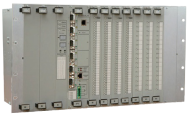
Monitoring of both small and large energy facilities
Flexible controller configuration, tailored to specific requirements
Collecting data from the facility, executing control commands, and taking measurements
SSC 2
Central signaling system

Visualisation of signalling and alarms directly at the substation
Combinational Logic and Arithmetic Module
Transmission of the device’s internal states, inputs and outputs via a communication channel
Equipment used in smaller power facilities such as transformer substations or MV cable joints
Solutions at the heart of the network
BRG 3
Universal communication controller
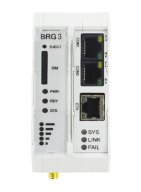
It acts as a data concentrator
It is available in a basic version and in a version with additional expansion modules
Compliant with IT security requirements
microBEL Sx
A range of controllers for MV switchgear
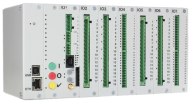
They combine the functions of a short-circuit indicator and a telemechanics unit
They enable remote diagnostics of the uninterruptible power supply
They support local change-over switches I-0-II and signals
Equipment used in switching points of MV overhead networks
Solutions for switchgear
microBEL SRS
Controls for MV switchgear

Operations on MV overhead switchgear/disconnectors
Earth fault and phase-to-phase fault detection functions
Remote diagnostics of an uninterruptible power supply


Discover software designed to support the operation and monitoring of power infrastructure

Monitor and manage distributed generation sources and energy storage facilities, optimising energy costs and ensuring energy security. This is a test to check if it works

Improve network reliability and respond effectively to incidents with comprehensive infrastructure monitoring
Minimise the risk of breakdowns
Find out how smart protection and automation systems safeguard the power infrastructure against overloads and short circuits
New additions to our range


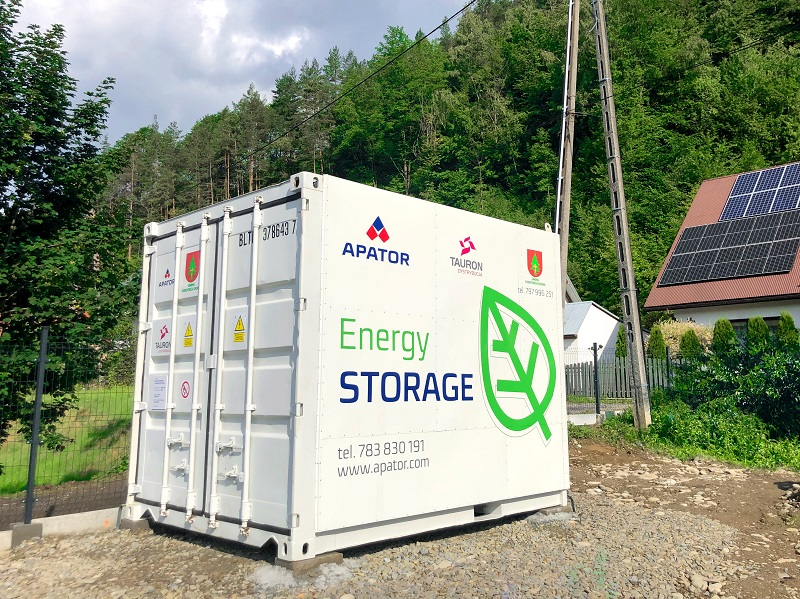




See how we support our customers
Discover our technologies, which help businesses manage their electricity consumption and enhance safety.
Expert insights
Find out how correctly selected switch disconnectors improve safety, make maintenance work easier and protect your installation against unforeseen incidents.

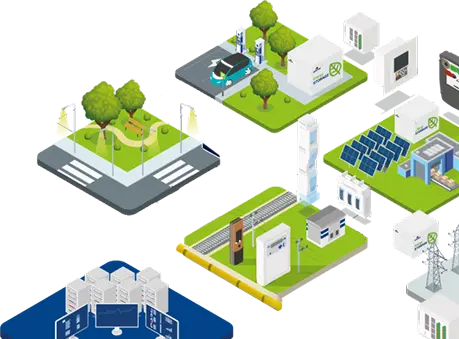
Ensure the continuity of power supply and the reliability of your electricity network
Choose solutions tailored to OSD’s needs
How can smart control help manage the electricity grid?
Due to their complexity, power grids require solutions that enable remote monitoring and rapid decision-making. These include automation systems equipped with communication modules and control algorithms. Operators can monitor the status of equipment in real time and thus respond immediately in the event of a failure or anomaly.
The key to precise control of the power grid lies in the integration of automation devices, controllers and data concentrators with SCADA master systems. Such operational coherence ensures a faster response to disruptions, reduces the risk of power outages and supports effective infrastructure development planning.
Benefits of using automation in the power sector
The application of power grid automation is an investment in the stability and operational safety of the entire system. Protection and control devices:
- maintain optimal grid operating parameters;
- protect the infrastructure from damage;
- minimise the impact of faults.
Process automation also translates into savings in time and costs associated with network operation and maintenance.
Modern communication and power supply solutions enable the creation of flexible, scalable structures that can be easily adapted to the requirements of distribution system operators and the changing needs of the energy sector. As a result, operators gain greater control over the infrastructure, a guarantee of power supply reliability and more efficient energy management.